About
Somebody has to answer the phone.
BETTI BOO Bonds & Justice Houses is Jessica Stephens — working out of the Piedmont Triad, doing the practical work of getting people out and getting them somewhere to land.
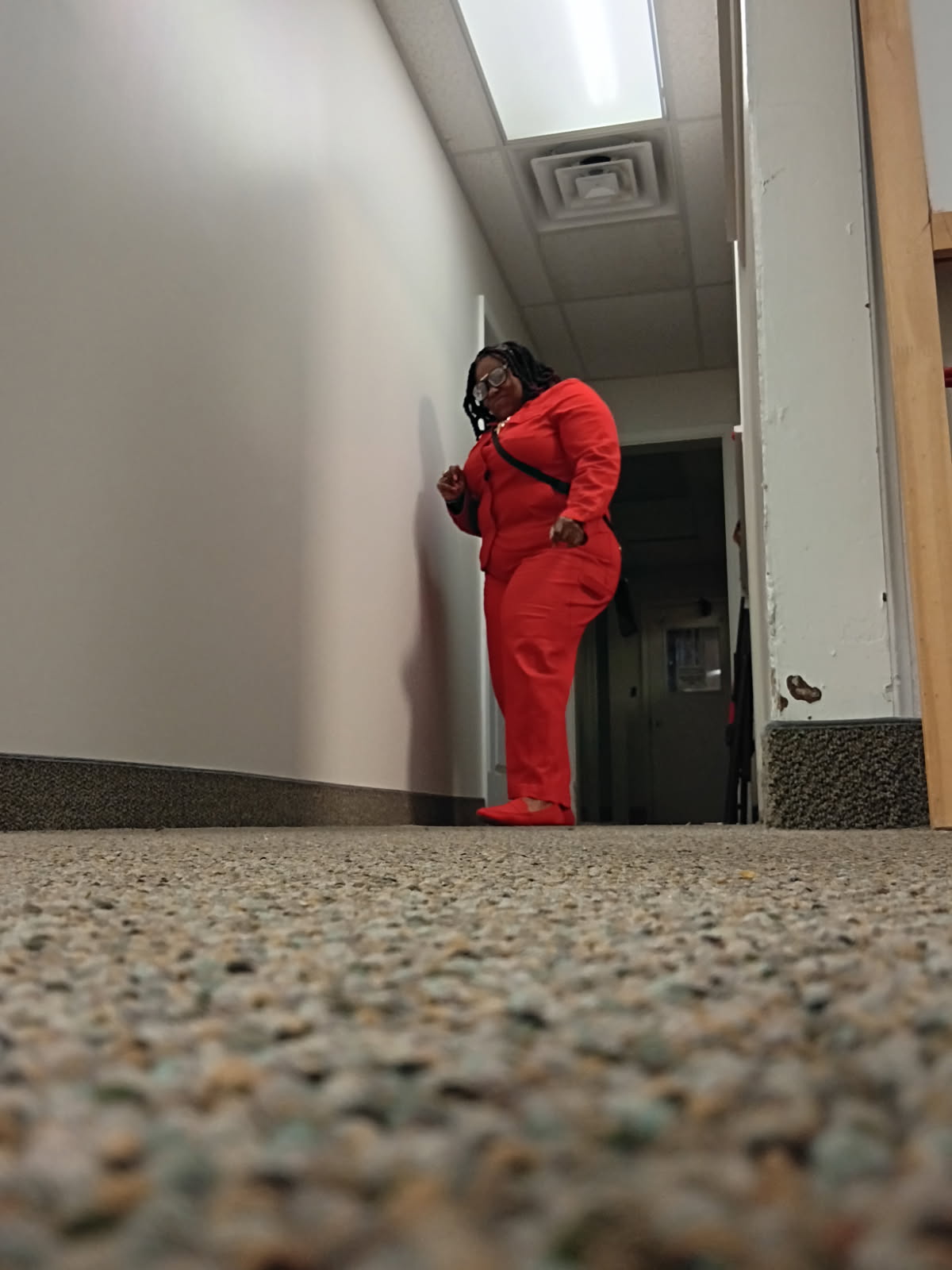
“I grew up watching people get written off for the worst thing they ever did. I have never once believed that was the whole story.”
I’m Jessica Stephens. I run BETTI BOO out of the Triad, and I’ve spent my working life on the part of the system most people only see from the outside: the bond desk, the release gate, the front step of a house where somebody is trying to start again without much to start with.
The name is my grandmother’s. She was the kind of woman who took the call at any hour of the night and never once asked a caller to explain themselves before she helped them. When I was deciding what to call this, nothing else was close.
Justice Reentry Houses came from watching the same thing happen over and over. Somebody gets out, and the first week decides a great deal — where they sleep, who they are around, whether anybody picks up the phone. Housing that is stable, shared, and with rules everyone actually agrees to changes what that first week looks like. It is not charity. It is the difference between a chance and a countdown.
The notary work and the peer support grew out of the same need. Papers have to be signed and they have to be signed right, and sometimes the most useful thing in the world is somebody who has been through it sitting across a table from somebody who is in the middle of it.
We are not lawyers. We don’t give legal advice, and we won’t promise you how a case will turn out, because nobody honest can. What we will do is tell you the truth about what is in front of you, keep the cost in front of you, and stay on the phone.
How we work
Four things we hold to, whatever the situation.
You will not be judged for the reason you called.
People come to this work at the worst moment of somebody’s life. The reason a person is in custody, or has been in prison, is not the part we are interested in. The part we are interested in is what happens next, and how to make it better than it looks right now.
You will know what it costs before you owe it.
No number quoted over the internet that changes by the time you arrive, and no fee you discover after the fact. You hear the full amount, in plain terms, and you decide with that in front of you.
You will get a real answer, including a no.
We are not lawyers and we do not give legal advice. When your question needs an attorney, we say so. When something is outside what we do, we say that too, and point you at somebody who does it well. A wrong yes costs you time you cannot get back.
The number stays good after the crisis.
A bond gets somebody out of a cell. It does not get them a job, a routine, or a reason to stay out. That is what the housing and the peer support are for, and it is why the relationship does not end when the paperwork is signed.
The housing half of this
Justice Reentry Houses — a second chance, and a brighter future.
A bond gets somebody out of a cell. It does not get them an address. Justice Reentry Houses is the re-entry housing program that closes that gap: a safe, supportive and structured place to live for 30 to 120 days while permanent housing is arranged.
If you’re reading this at three in the morning, call.
That is what the phone is for. You will get a person, not a recording, and you will not have to explain yourself before you get help.
Or read the questions people ask first.